Hello Demo,
In 2024, OpenAI CEO Sam Altman called the combination of ads and AI “uniquely unsettling.” Advertising, he said, would be a “last resort” for the company, adding that paying users would subsidize free access for those who could not afford it.
Two years later, OpenAI is turning to those free users for advertising revenue. After starting a pilot in the US in February, it launched ChatGPT ads across several Asian markets in September. The ads will appear to users on its Free and Go plans.
Asia is central to this push. In August, OpenAI began rolling out ads in India, which has over 100 million weekly active ChatGPT users. But a large audience does not guarantee a lucrative advertising business.
At the moment, Asian brands are willing to test ChatGPT ads, but they’re still figuring out how people shop through a chatbot, whether those ads drive sales, and what a reasonable price should be. In particular, the cost of running ads on ChatGPT is more erratic than established channels, so brands are unwilling to commit large budgets.
 Image credit: Made by Ulla/Tech in Asia with the help of AI The company may have overestimated how quickly advertisers would commit. Asia’s largest ad spenders are unlikely to go big on ChatGPT ads anytime soon.
But it could attract, or even create, a new breed of advertisers. Our top AI read this week looks at who they might be and how ads could reshape the way hundreds of millions of people across the region use AI.
Elsewhere in this edition, we share our take on Trump’s superintelligence pact that’s not so intelligent, and we explain why Asian consumer-tech companies, including food and grocery delivery platforms, may hesitate to launch their own versions of Muse or Instinct.
Pranav Balakrishnan, AI reporter
Editor’s note: This is the Wednesday edition of The Prompt, our AI newsletter that comes out twice a week. Catch up on Monday’s edition, where we looked at the hype surrounding decision-making model Jev.
TOP AI READ FROM OUR DESK
Who’s betting big on ChatGPT ads? Not Asian brands
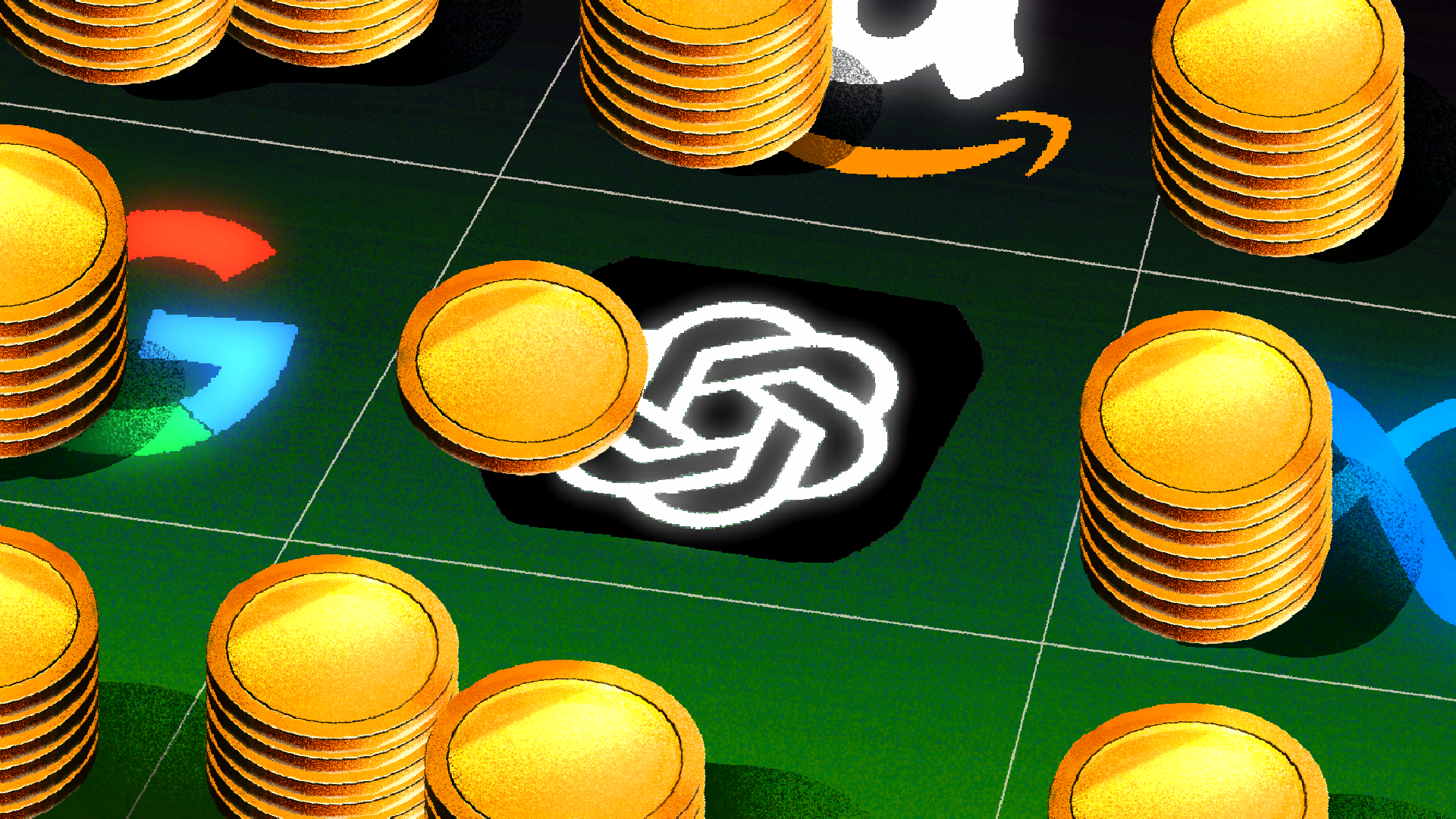 Image credit: Ulla There is a reason some business decisions are considered a last resort: They may generate revenue, but at a cost. For OpenAI, that cost could be user trust.
Imagine ChatGPT recommends one product while the ad below points in another direction. OpenAI says ads will be clearly labeled and will never influence ChatGPT’s answers, but such contradictions could still leave users unsure about what to trust.
OpenAI is taking that risk because the potential payoff is enormous. It has reportedly told investors that ads could generate US$100 billion by 2030, accounting for 36% of its revenue.
Yet Asian brands remain cautious, partly because early signals from the US pilot have been mixed. Emarketer estimates that the US will contribute roughly half of OpenAI’s ad revenue by 2030, but it puts that figure at just over US$5 billion.
To reach its target, OpenAI will need to build a massive advertising business beyond the US – and do a better job of winning over Asian brands.
WHAT ELSE WE’RE THINKING
1️⃣ Super intelligence, superficial oversight
 Image credit: Arsal Ysfin Last week, Donald Trump gathered AI leaders to sign a “morally binding” safety pact. He also announced a Super Intelligence Force, a taskforce to govern AI, and pushed to rebrand “artificial intelligence” to “super intelligence.”
It is all smoke and mirrors. There is no clarity on whether AI developers would be held responsible for safety incidents. Asking AI companies to regulate themselves is like asking tobacco or alcohol companies to do the same. Why would they voluntarily accept responsibility when their products cause harm?
The reality is that Trump does not want meaningful AI regulation. He wants to protect a technology he sees as driving American prosperity.
As for the rebranding, the less said, the better. Trump thinks “artificial” sounds fake, yet the term AI was coined in 1955 to define a research ambition and attract funding.
As a businessman, Trump should take a lesson or two in branding. For us at Tech in Asia, we’ll stick with calling it AI.
2️⃣ Not everyone is keen on having their agents in your inbox
Muse, Instinct, and now OpenAI’s Dots.
Everyone is launching consumer agents to order food, buy groceries, pay bills, and send emails through a message. But what about the food, payments, and grocery delivery apps themselves? They would want to keep their consumers close and not lose them to another agent.
DoorDash has launched a messaging agent. Expect Asian platforms such as Zomato and Grab to follow. But many efforts could remain experiments until the economics make sense.
An AI agent adds token costs to transactions whose margins these companies have spent years improving, so that cost needs to earn its place. Does it bring in more customers or improve conversion?
Investors in listed Asian consumer platforms expect AI to reduce costs. Paying more to fulfill the same order is a harder sell.
As for the likes of Meta and OpenAI, they need usage to justify large investments in data centers and computing capacity. Their investors are banking on AI becoming an everyday habit, giving them more room to absorb losses.
While Asian companies can build their own agents, whether investors will fund adoption is a different question – and this could give American companies the advantage.
STANDOUT AI DEALS
1️⃣ Supabase raises $150m, acquires database startup Turso
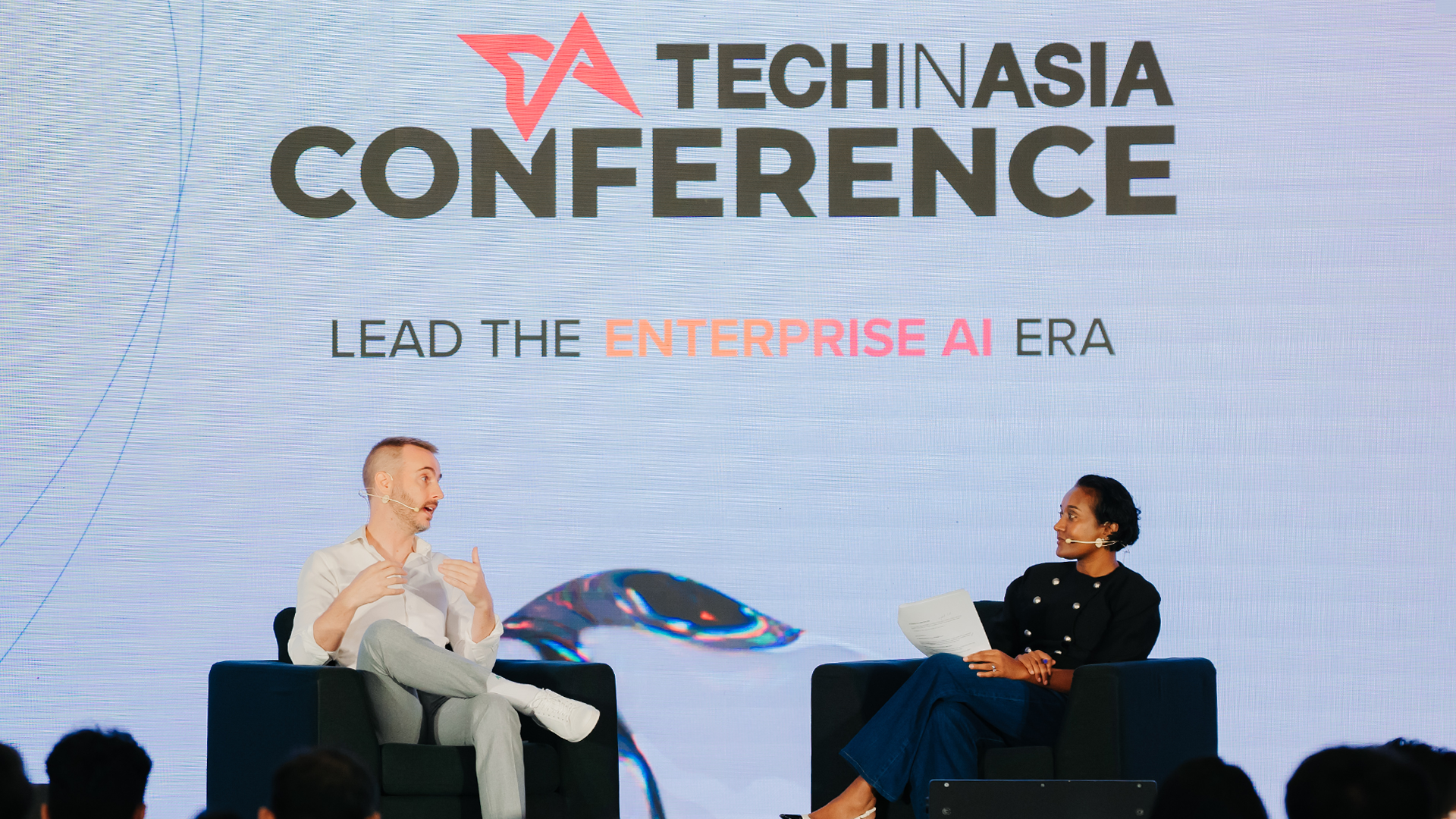 Supabase CEO and co-founder Paul Copplestone at the Tech in Asia Conference in Singapore in September/Photo credit: Tech in Asia Singapore-based Supabase has raised US$150 million from investors, including GIC, CapitalG, IronArc Ventures, and Square Peg. The deal also marks the acquisition of database startup Turso.
Supabase provides database and storage to developers, though most of its users nowadays are AI agents. As a result, Supabase’s service is in huge demand, launching nearly 5 million databases per month.
But Supabase wants to make the process cheaper. Turso’s technology lets a single server manage millions of small databases, loading them when needed and suspending them when idle. This makes serving users’ projects more economical.
2️⃣ Jungle Ventures leads SG AI startup OneByZero’s $20m round
OneByZero, a Singapore-based AI systems integrator, has raised US$20 million from Jungle Ventures in its first external funding round. It will use the money to expand across Asia Pacific, including building a team in Japan.
Systems integrators are nothing new. Getting AI beyond experiments and into everyday business operations remains the hard part. OneByZero reports a 34% reduction in ticket-handling costs at an Indonesian telco.
With decades of data and aging systems, Japan’s businesses present a sizable opportunity for OneByZero to prove its niche.
Catch up on past issues of the newsletter here.
|